
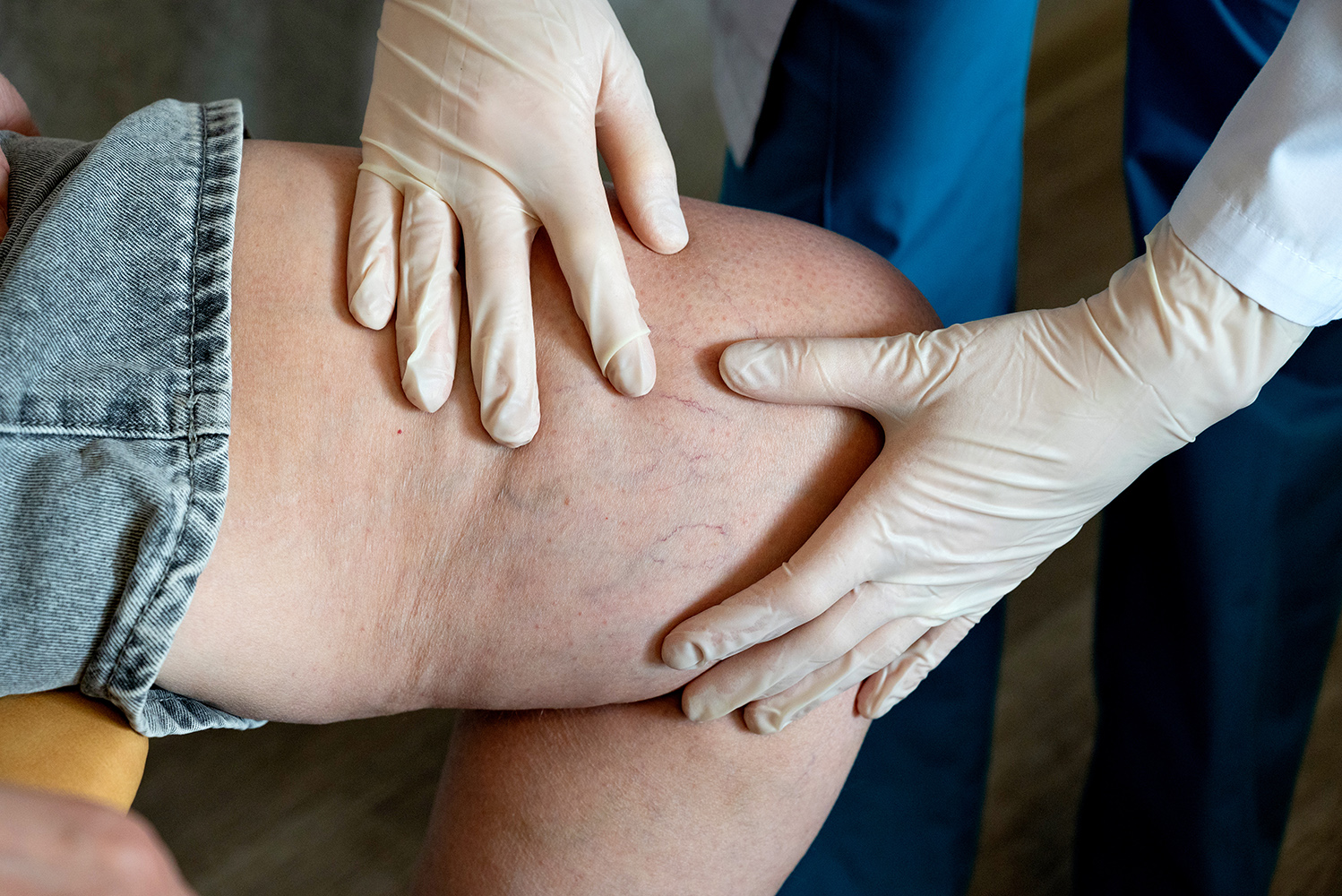
Leg swelling, discomfort, restlessness, and reduced mobility can be symptoms of several underlying health conditions. Two of the most commonly confused conditions are lipedema and varicose veins. Both primarily affect women, both can cause discomfort in the legs, and both may reduce quality of life over time. However, despite their similarities, they are distinct medical conditions with different causes and treatment approaches.
So, what is the difference between lipedema and varicose veins? Can they occur together?
What Is Lipedema?
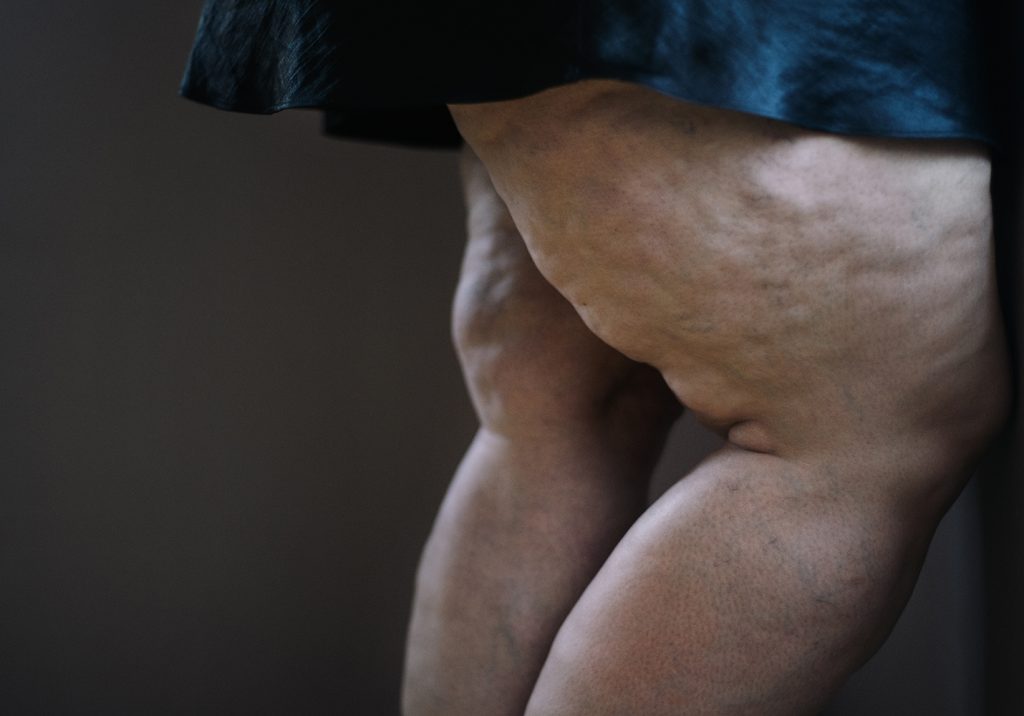
Lipedema is a chronic condition characterized by the abnormal accumulation of fatty tissue, most commonly in the hips, thighs, and legs. In some cases, the arms may also be affected.
One of the characteristic features of lipedema is the development of asymmetrical or disproportionate fat deposits in the lower extremities compared with the upper body.
Common features of lipedema include:
- Noticeable fat accumulation in the legs
- Tenderness to touch
- Easy bruising
- A feeling of swelling that worsens throughout the day
- Restlessness and discomfort in the legs
- Fat tissue that does not improve with diet or exercise
Another important characteristic is that the feet are usually spared, helping distinguish lipedema from many other causes of leg swelling.
What Are Varicose Veins?
Varicose veins are a circulatory disorder caused by malfunctioning vein valves.
When these valves fail to move blood efficiently back toward the heart, blood begins to pool inside the veins. As pressure increases, the veins enlarge and become visible beneath the skin.
Common symptoms of varicose veins include:
- Swelling, especially toward the end of the day
- A feeling of restlessness in the legs
- Night cramps
- Burning or itching sensations
- Visible enlarged veins
Varicose veins are not simply a cosmetic concern. If left untreated, they may progress and significantly affect daily comfort and quality of life.
Why Are Lipedema and Varicose Veins Often Confused?
These two conditions share several similar features.
Both may cause:
- Leg swelling
- A feeling of restlessness
- Discomfort after prolonged standing
- Reduced mobility in daily life
Because of these similarities, many people assume their symptoms are simply related to weight gain or aging, which may delay an accurate diagnosis.
However, the underlying causes are completely different.
Lipedema is related to abnormal fat distribution, whereas varicose veins result from impaired blood circulation caused by damaged vein valves.
Can Lipedema and Varicose Veins Occur Together?
Yes.
Lipedema and varicose veins can coexist in the same patient.
When varicose veins are also present, impaired circulation may:
- Increase leg swelling
- Worsen the feeling of restlessness
- Reduce daily comfort and mobility
For this reason, both conditions should be evaluated carefully when symptoms overlap.
How Can Lipedema Be Distinguished from Varicose Veins?
Several characteristics can help differentiate the two conditions.
In Lipedema:
- There is prominent fat accumulation in the lower extremities.
- Easy bruising is common.
- Fat deposits do not improve with diet or exercise.
- The feet are usually unaffected.
In Varicose Veins:
- Enlarged or visible veins may be present.
- Symptoms typically worsen later in the day.
- Swelling around the ankles is common.
- Night cramps may occur.
An evaluation by an appropriate specialist and, when necessary, a Doppler ultrasound examination can help establish an accurate diagnosis.
What Is the Appropriate Treatment Approach?
Because lipedema and varicose veins are different conditions, their treatment approaches are also different.
Depending on the stage of lipedema, treatment may include:
- Regular physical activity
- Healthy weight management
- Liposuction
Liposuction is one of the surgical treatment options used for appropriately selected patients with lipedema.
For varicose veins, the underlying venous insufficiency should first be evaluated.
Modern treatment options include:
- Foam Sclerotherapy
- Endovenous Truncal Ablation
- Ambulatory Phlebectomy
- Ultrasound-Guided Chemical Ablation / Occlusion
These minimally invasive procedures target diseased veins and help improve circulation.
Conclusion
Although lipedema and varicose veins may share similar symptoms, they are not the same condition. If you experience persistent leg swelling, restlessness, or visible vein changes, it is important not to assume these symptoms are simply related to weight gain or aging.
An accurate diagnosis is the first step toward effective treatment. When symptoms persist or gradually worsen, evaluation by the appropriate specialist can help determine the underlying cause and guide the most suitable treatment plan.
Frequently Asked Questions
Can lipedema cause varicose veins?
No. Lipedema does not directly cause varicose veins. However, both conditions may occur in the same patient.
Is lipedema the same as weight gain?
No. Lipedema is a chronic condition characterized by abnormal fat accumulation in specific areas of the body and differs from ordinary weight gain.
Are the feet affected in lipedema?
In most patients, the feet are spared. This is one of the key features that helps distinguish lipedema from other causes of leg swelling.
Will varicose vein treatment cure lipedema?
No. Lipedema and varicose veins are different conditions and require different treatment approaches.
Can lipedema and varicose veins occur together?
Yes. Both conditions can coexist, and their symptoms may overlap, making a proper medical evaluation important.
Internal Sources
- Prof. Dr. Semih Barlas official web site
- Modern Treatment Methods for Varicose Veins
- Understanding Varicose Veins and Their Causes
- Contact
External Sources