
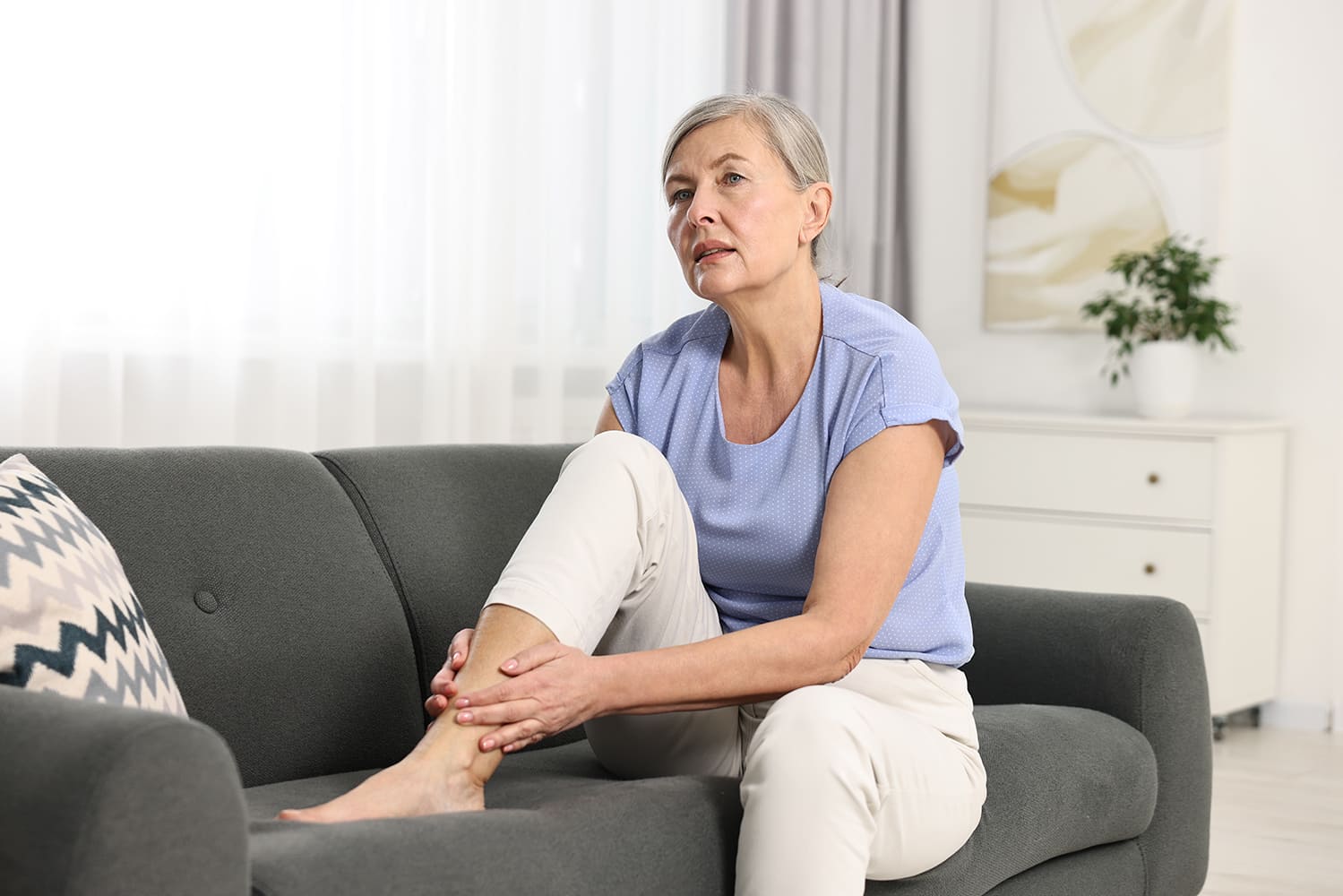
Varicose vein problems during menopause are a condition that many women experience without realizing it, yet it can significantly affect quality of life over time. During this period, hormonal changes have direct effects on the circulatory system. In particular, the decrease in estrogen levels can weaken the structure of the veins and make the formation of varicose veins easier.
Many people ignore their symptoms by saying, “It’s normal at this age.” However, the situation can sometimes be more complex than it appears. Menopause manifests itself not only with hot flashes but also with changes in vascular health.
What Is Menopause and What Changes Occur in the Body?
Menopause is a natural process in which the menstrual cycle permanently ends in women. However, this process affects not only the reproductive system but the entire body.
Especially:
- Decrease in hormone levels
- Slowing of metabolism
- Tendency to gain weight
- Changes in the circulatory system
These changes can create a suitable environment for the development of varicose veins.
What Are Varicose Veins and How Do They Form?
Varicose veins occur when the valves in the veins lose their function, causing blood to flow backward. This leads to the enlargement and visibility of the veins.
As a result:
- Blood pools in the legs
- Veins swell
- Circulation is impaired
And over time, symptoms increase.
Why Do Varicose Veins Increase During Menopause?
The most important reason for the increase in varicose veins during menopause is the decrease in estrogen hormone levels.
Estrogen:
- Maintains vein elasticity
- Supports circulation
When it decreases:
- Vein walls weaken
- Valves deteriorate more easily
- Blood pooling increases
In short, menopause is almost a “turning point” for the veins.
Symptoms of Varicose Veins During Menopause
During this period, symptoms of varicose veins may become more noticeable:
- Leg swelling that increases at the end of the day
- A feeling of heaviness and fullness in the legs
- Night cramps
- Itching and burning sensations
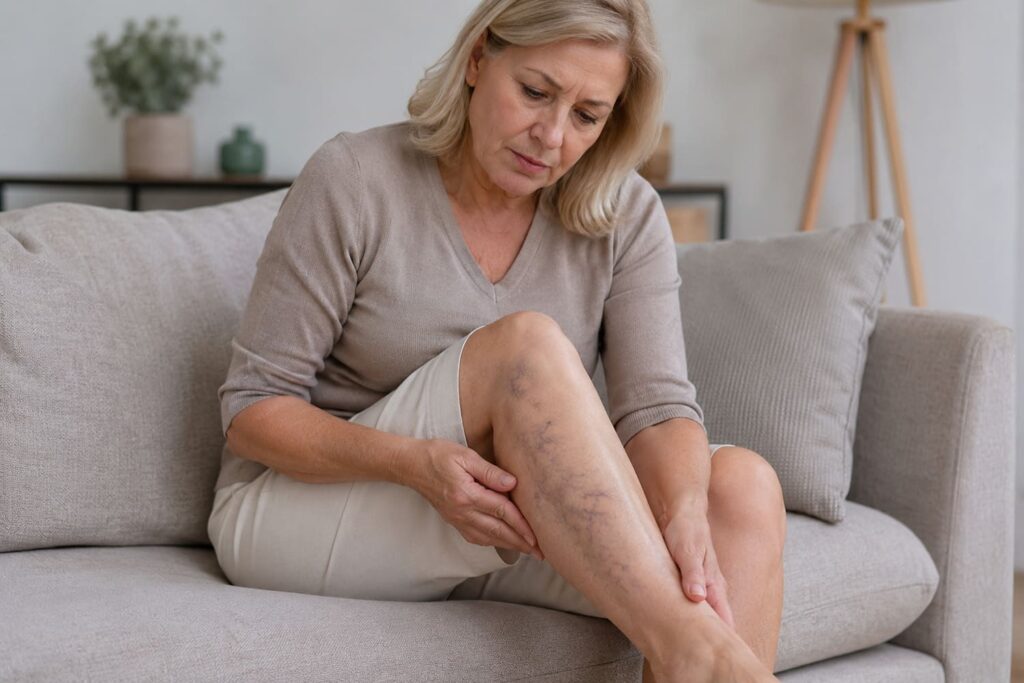
- Increased visibility of veins
In some cases, symptoms may start mildly and gradually worsen over time.
Reasons Why Varicose Veins Progress Faster
There are several reasons why varicose veins may progress more rapidly during menopause:
- Hormonal changes
- Decreased physical activity
- Weight gain
- Weakening of vein structure
When these factors come together, varicose veins become more prominent and bothersome.
Is It Possible to Prevent Varicose Veins During Menopause?
Although it may not always be possible to completely prevent them, it is possible to slow their progression.
Things to pay attention to:
- Avoid staying inactive for long periods
- Take regular walks
- Elevate your legs while resting
- Avoid excess weight
Which Exercises Are Beneficial?
Low-impact exercises are the most suitable:
- Walking
- Swimming
- Cycling
- Light stretching exercises
These exercises support circulation and help maintain vascular health.
The Role of Nutrition
Healthy nutrition is critical for vascular health.
Especially:
- Fiber-rich foods
- Antioxidant-rich foods
- Adequate water intake
positively affect circulation.
Do Compression Stockings Really Work?
Yes, they are quite effective when used correctly.
- Balance vein pressure
- Support upward blood flow
- Reduce swelling
However, they must be chosen with the correct size and pressure level.
When Should You See a Doctor?
You should consult a specialist if:
- Swelling becomes persistent
- Pain and cramps increase
- Veins become more visible
- Skin discoloration begins
Early intervention increases treatment success.
Click here for detailed information about Prof. Dr. Semih Barlas and appointments.
Modern Varicose Vein Treatment Methods
Today, varicose vein treatments are highly advanced:
- Foam sclerotherapy
- Endovenous ablation methods
- Minimally invasive procedures
Thanks to these methods, patients can return to their daily lives in a short time.
Visit our website for detailed information about modern varicose vein treatment methods.
Conclusion
Varicose vein problems during menopause are often overlooked but can turn into a serious quality-of-life issue. However, with the right information, early awareness, and appropriate treatment, this process can become much more comfortable.
Remember, varicose veins are not only a cosmetic issue but also a circulatory problem.
Frequently Asked Questions
Does menopause trigger varicose veins?
Yes. The risk increases due to hormonal changes.
Do varicose veins go away after menopause?
No. If left untreated, they may progress.
Is exercise enough?
It is supportive but not a standalone treatment.
Are compression stockings necessary?
They may not be required for every patient; a doctor’s recommendation is important.
Are varicose veins dangerous during menopause?
In advanced cases, there may be a risk of complications.
Internal Sources
- Prof. Dr. Semih Barlas official web site
- Modern Treatment Methods for Varicose Veins
- Understanding Varicose Veins and Their Causes
- The Best Exercise for Varicose Veins
- Contact
External Sources