

Many people with varicose veins wonder whether taking aspirin can help reduce pain, swelling, and circulation problems. Because aspirin is commonly associated with blood thinning and cardiovascular health, it is often viewed as a possible remedy for vein-related symptoms.
But does aspirin actually help varicose veins? Can it be considered a treatment?
The short answer is: No, aspirin does not treat varicose veins.
To understand why, it is important to first understand how varicose veins develop.
What Are Varicose Veins and Why Do They Occur?
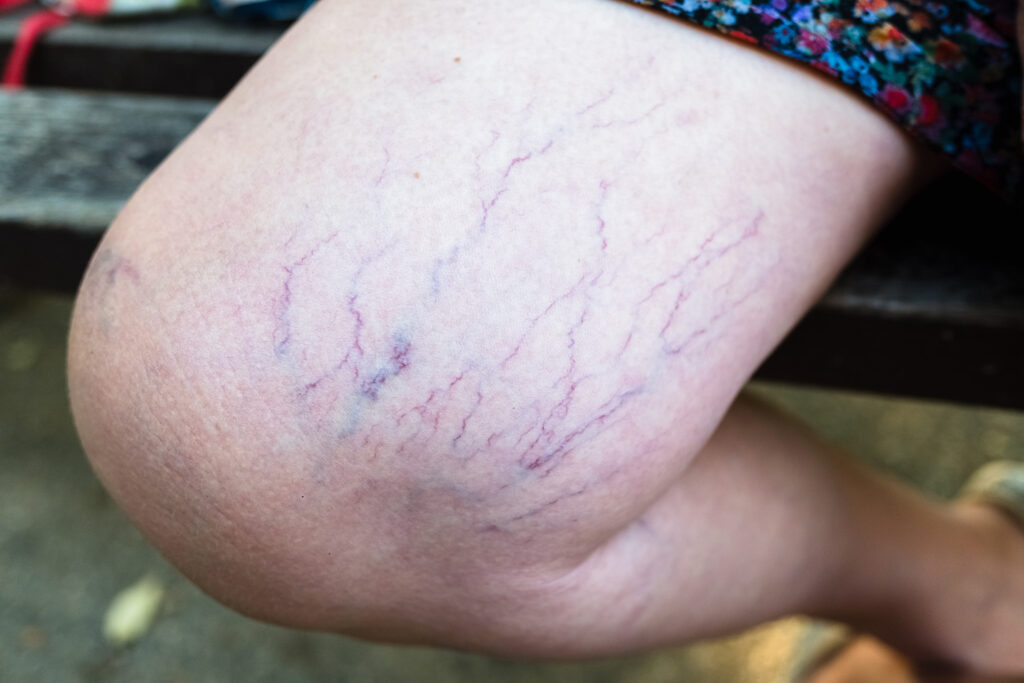
Varicose veins are a circulatory condition caused by malfunctioning valves inside the veins. Under normal circumstances, these valves help blood flow back toward the heart. When they stop working properly, blood begins to pool in the legs.
Over time, this can lead to:
- Enlarged and visible veins
- Leg swelling
- Pain and heaviness
- Night cramps
- Skin changes around the lower legs
In other words, varicose veins are primarily a structural problem of the veins, not simply a circulation issue that can be solved with medication.
Why Is Aspirin Associated with Varicose Veins?
Aspirin has anti-inflammatory and blood-thinning properties. Because of these effects, some people believe that aspirin may:
- Improve blood circulation
- Prevent blood clot formation
- Reduce the appearance of varicose veins
However, there is one important limitation:
Aspirin cannot repair damaged vein valves.
Since faulty valves are the underlying cause of varicose veins, aspirin cannot eliminate the source of the problem.
What Does the Research Show?
Aspirin has been studied primarily in patients with venous leg ulcers, which are wounds that may develop as a complication of chronic venous insufficiency.
While some early studies suggested that aspirin might support healing when used alongside compression therapy, larger and more recent studies have failed to demonstrate a clear benefit.
Current evidence indicates that:
- Aspirin is not considered a standard treatment for venous ulcers.
- Aspirin has not been proven to accelerate healing on its own.
- Aspirin is not recommended as a primary treatment for varicose veins.
Can Aspirin Reduce Varicose Vein Symptoms?
In some individuals, aspirin may provide temporary relief from discomfort or inflammation.
However, patients should not expect aspirin to:
❌ Make varicose veins disappear
❌ Shrink enlarged veins
❌ Restore damaged vein valves
❌ Eliminate chronic venous insufficiency
For this reason, aspirin should not be viewed as a replacement for proper vein evaluation and treatment.
The Real Problem Aspirin Cannot Fix
The underlying issue in varicose veins and chronic venous insufficiency is mechanical and structural.
When blood continues to pool in the legs:
- Venous pressure increases
- Swelling develops
- Circulation becomes less efficient
- Symptoms gradually worsen
Aspirin cannot correct this mechanical dysfunction.
As a result, medication alone cannot resolve varicose vein disease.
What Is the Most Effective Approach to Varicose Vein Treatment?
Modern vein treatment focuses on addressing the source of the problem rather than simply relieving symptoms.
Common treatment options include:
- Foam Sclerotherapy
- Endovenous Truncal Ablation
- Ambulatory Phlebectomy
- Ultrasound-Guided Chemical Ablation / Occlusion
These minimally invasive procedures treat the diseased veins directly and redirect blood flow into healthier veins.
Visit our website for detailed information about modern varicose vein treatment methods.
What Can You Do Besides Taking Aspirin?
To help manage varicose vein symptoms, you can:
- Walk regularly
- Avoid prolonged sitting or standing
- Elevate your legs when resting
- Maintain a healthy body weight
- Wear compression stockings if recommended by your physician
While these measures may help improve comfort, persistent symptoms should be evaluated by a vein specialist.
Conclusion: Does Aspirin Help Varicose Veins?
Aspirin may help reduce discomfort or inflammation in some patients. However:
❌ It does not treat varicose veins
❌ It does not repair damaged vein valves
❌ It does not eliminate chronic venous insufficiency
❌ It is not a substitute for modern vein treatments
Varicose veins are a structural vein disease. Long-term improvement depends on identifying and treating the underlying venous problem rather than relying solely on medication.
Frequently Asked Questions
Can aspirin shrink varicose veins?
No. There is no scientific evidence showing that aspirin reduces the size of varicose veins.
Can aspirin reduce varicose vein pain?
Some people may experience temporary relief from discomfort due to aspirin’s anti-inflammatory properties.
Can aspirin treat chronic venous insufficiency?
No. Chronic venous insufficiency results from malfunctioning vein valves, which aspirin cannot repair.
Can aspirin heal venous leg ulcers?
Current research does not support aspirin as a reliable standalone treatment. Treating the underlying vein disease remains essential.
Should I take aspirin for varicose veins?
Aspirin should only be used under medical supervision. It may not be appropriate or beneficial for every patient.
Internal Sources
- Prof. Dr. Semih Barlas official website
- Varicose Vein Treatment Methods
- Mediterranean Diet and Varicose Veins
- Contact
External Sources